Authentic Jamaican Food That Captures Island Culture

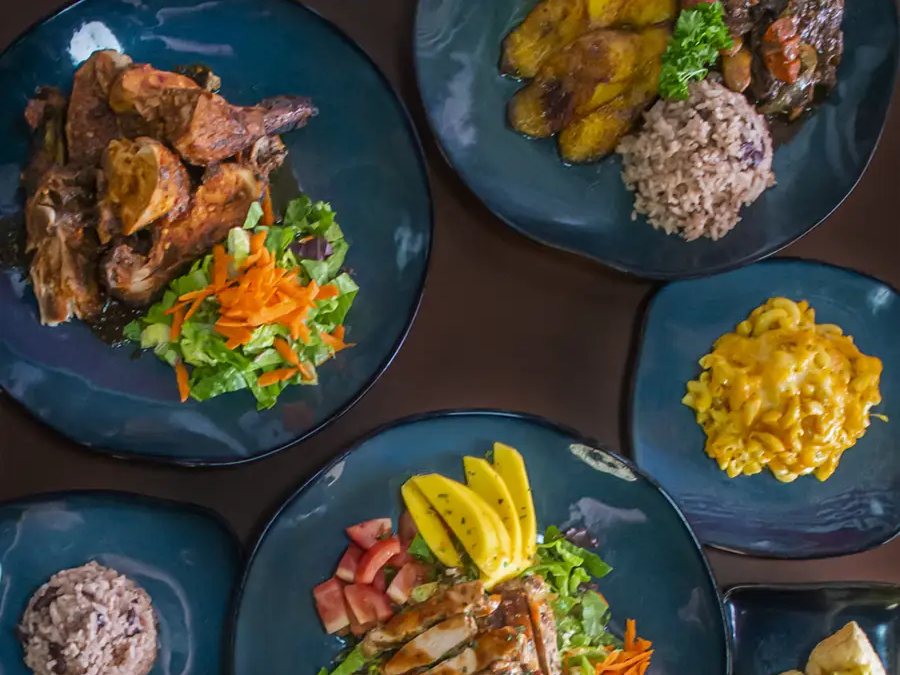
Jamaican food is often introduced through a few famous dishes, usually jerk chicken, patties, and maybe curry goat if the menu is broad enough. That shorthand misses the real character of the cuisine. Authentic Jamaican cooking is not built around a single flavor profile or one style of seasoning. It is a layered food tradition shaped by African roots, Indigenous knowledge, European colonial influence, Indian and Chinese migration, local farming, fishing, and the practical intelligence of cooks who learned how to make every ingredient count.
What gives Jamaican food its identity is not only heat, though Scotch bonnet peppers certainly matter. It is the balance of spice and sweetness, smoke and freshness, richness and restraint. It is the way a pot of rice and peas can carry the aroma of thyme, scallion, coconut milk, and allspice without turning heavy. It is the way a breakfast of ackee and saltfish can feel both humble and ceremonial. It is the confidence of food that does not chase trends because it already knows what it is.
Anyone who has eaten in Jamaica, whether at a roadside jerk pan in St. Ann, a cookshop in Kingston, or a family yard on a Sunday afternoon, understands that the food is inseparable from place. The scent of pimento wood smoke, the sound of a domino game nearby, the pace of conversation, the way recipes are discussed with half-measurements and full conviction, all of that becomes part of the meal.
More than a cuisine, a record of the island
To understand authentic Jamaican food, it helps to look at how the island’s history settled into the kitchen. Enslaved Africans brought techniques, memory, and a deep understanding of greens, stews, starches, and seasoning. The Taino, Jamaica’s Indigenous people, left a lasting mark through cassava and cooking methods such as barbacoa, which eventually shaped what the world now knows as jerk. British colonial rule changed what was planted and traded. Indian indentured workers contributed curry traditions and spice handling that remain central to many Jamaican kitchens. Chinese Jamaicans influenced local cooking in ways that are often understated but visible in stir-fried dishes, sauces, and shop culture.
The result is a cuisine that feels unified without being narrow. It can move from fiery to delicate with no contradiction. A rich brown stew fish and a clear fish tea belong to the same table. So do festival and bammy, mannish water and https://rowanoyjy508.opalvector.com/posts/top-ingredients-found-in-authentic-jamaican-food cornmeal porridge, sorrel at Christmas and roasted breadfruit with almost anything.
That breadth is part of what makes Jamaican food so culturally expressive. The food tells you who arrived, who endured, who adapted, and who found ways to celebrate anyway.
The flavor logic behind Jamaican cooking
People unfamiliar with Jamaican food sometimes reduce it to “spicy Caribbean food.” That is a poor description. Heat is important, but it is rarely the whole point. Jamaican cooks use seasoning to build depth, not just force. Scotch bonnet brings fruitiness as much as fire. Thyme gives backbone. Escallion, onion, garlic, ginger, and pimento create the aromatic base for countless dishes. Browning sauce adds color and a slight bitterness that rounds out stews. Coconut milk can soften and enrich. Fresh lime, vinegar, or pickled vegetables can cut through fat at the right moment.
One of the best examples of this flavor logic is jerk. Proper jerk is not simply meat coated in hot spices and grilled. It depends on a specific set of relationships: smoke from pimento wood, warmth from allspice, fire from Scotch bonnet, herbal lift from thyme, savoriness from scallion and garlic, and enough time for the seasoning to penetrate. When done well, the first thing you notice may not be the heat at all. It might be the sweet smoke or the dark crust giving way to juicy meat underneath.
Rice and peas offers another lesson. Despite the name, the “peas” are usually kidney beans or gungo peas, depending on the occasion and region. The dish works because each element supports the others. Coconut milk gives body. Thyme and scallion perfume the pot. A whole Scotch bonnet may simmer in the liquid, lending fragrance with controlled heat. The rice should not be mushy, oily, or aggressively sweet. Good rice and peas tastes complete on its own, even before the main dish arrives.
Jerk, beyond the stereotype
Jerk deserves its fame, but it also suffers from it. Outside Jamaica, too many versions taste like a generic spicy barbecue rub. Authentic jerk is more exacting. Traditionally, the meat, often chicken or pork, is seasoned heavily and cooked low over pimento wood, sometimes in old oil drums cut into makeshift grills, sometimes in more permanent setups. The smoke matters because it carries the scent of allspice wood into the meat. Without it, the flavor can still be good, but it loses some authenticity.
The pork version is especially revealing. Jerk pork often has a richer, deeper relationship with fat, char, and smoke than chicken does. When the edges crisp properly and the inner meat stays succulent, you get contrast in every bite. The cook usually chops it into small pieces with a cleaver, often including bits from different parts of the cut, so some mouthfuls are lean, others sticky and charred.
Buying jerk in Jamaica is often an exercise in trust and timing. The busiest stands are usually the safest bet, not because popularity always equals quality, but because turnover keeps the meat fresh and the grill active. If the smoke has gone cold and trays of chicken are sitting too long, the texture tells on the cook. The best jerk is not merely seasoned well. It tastes alive, like it came off the fire moments ago.
Ackee and saltfish, the national dish with a story
Ackee and saltfish can confuse first-time visitors because it does not look like what many expect from island food. It is soft, savory, and subtle. There is no thick sauce, no sugary glaze, no dramatic plating. Yet it may be the most culturally important dish in Jamaica.
Ackee, originally from West Africa, became so rooted in Jamaican life that many people treat it as inseparable from the island itself. When properly cooked, the flesh opens into soft yellow lobes with a texture often compared to scrambled eggs, though good ackee is creamier and more delicate than that comparison suggests. Saltfish, usually salted cod that has been soaked and flaked, brings salinity and structure. Onion, tomato, sweet pepper, black pepper, and thyme complete the pan.
What makes the dish memorable is balance. Too much saltfish and it becomes harsh. Too much tomato and it turns watery. Overcooked ackee breaks down into mush. Undercooked ackee is unsafe, which is why experienced handling matters so much. The best versions hold together without feeling stiff and taste savory without shouting.
Served with fried dumpling, boiled green banana, roasted breadfruit, or yam, ackee and saltfish shows the Jamaican gift for turning preserved ingredients and local staples into something elegant. It also reflects a practical history. Salted fish kept well. Ground provisions were filling and accessible. The dish came from necessity, but it stayed because it was good.
Ground provisions and the intelligence of the side dish
One of the clearest signs of authentic Jamaican food is the importance given to sides that are not really sides. Breadfruit, green banana, yam, coco, cassava, and dumplings do not simply fill space on the plate. They anchor the meal and shape how the main dish is eaten.
Breadfruit is especially significant. Roasted over open flame until the skin blackens, then peeled and served hot, it carries a dry, starchy, slightly nutty flavor that pairs beautifully with ackee, mackerel, or rundown. Fried breadfruit offers a different texture, crisp at the edges and creamy inside. Boiled green banana brings firmness and mildness. Yam can range in texture from mealy to silky depending on variety. These foods absorb gravies, temper salt, and make a plate feel complete.
In many Jamaican homes, the quality of the starch says as much about the cook as the main protein. Rice cooked too soft, dumplings too dense, boiled yam too waterlogged, these are not minor faults. They change the rhythm of the meal. A well-made dumpling should be substantial without becoming heavy. Festival, the lightly sweet fried companion often served with fish or jerk, should have a crisp shell and a tender center, not the greasy toughness that appears when the oil is wrong or the batter is overworked.
Seafood, coastlines, and clean flavors
For an island nation, seafood naturally occupies an important place in Jamaican cooking, though it is not always what outsiders notice first. Escovitch fish is one of the strongest examples of the island’s preference for contrast. A whole fried fish, often snapper, is topped with a bright tangle of pickled vegetables, usually onion, carrot, and Scotch bonnet. The fish should be crisp, the flesh moist, and the pickling liquor sharp enough to wake everything up without drowning it.
Then there is rundown, sometimes called “run dung,” a preparation in which fish, often mackerel, simmers in reduced coconut milk with aromatics until the liquid thickens and clings. The name itself suggests the process. The coconut milk is cooked down until it concentrates. Good rundown is deeply savory and coastal, with a richness that asks for breadfruit, green banana, or hard food on the side.
Pepper shrimp, especially associated with Middle Quarters in St. Elizabeth, shows another side of Jamaican seafood culture. These small river shrimp are cooked with fierce spice and aromatic seasoning, usually eaten shell and all. The experience is messy, hot, and addictive. It is the kind of food best enjoyed standing up, with a drink nearby and no concern for neatness.
Fish tea, despite the name, is soup, usually clear and restorative. It often contains fish head or trimmings, pumpkin, cho cho, yam, and spices. On a hot day, it can still feel refreshing because it is not heavy. It tastes of freshness and thrift at the same time, which is a recurring strength in Jamaican cooking.
Curries, stews, and the art of the pot
Jamaican curry deserves attention on its own terms. It is related to Indian traditions but has developed a distinct identity on the island. Jamaican curry powder usually leans heavily on turmeric and allspice, often with fenugreek, coriander, cumin, and other spices in varying ratios. The result is warm and earthy, with a color and aroma immediately recognizable in a Jamaican kitchen.
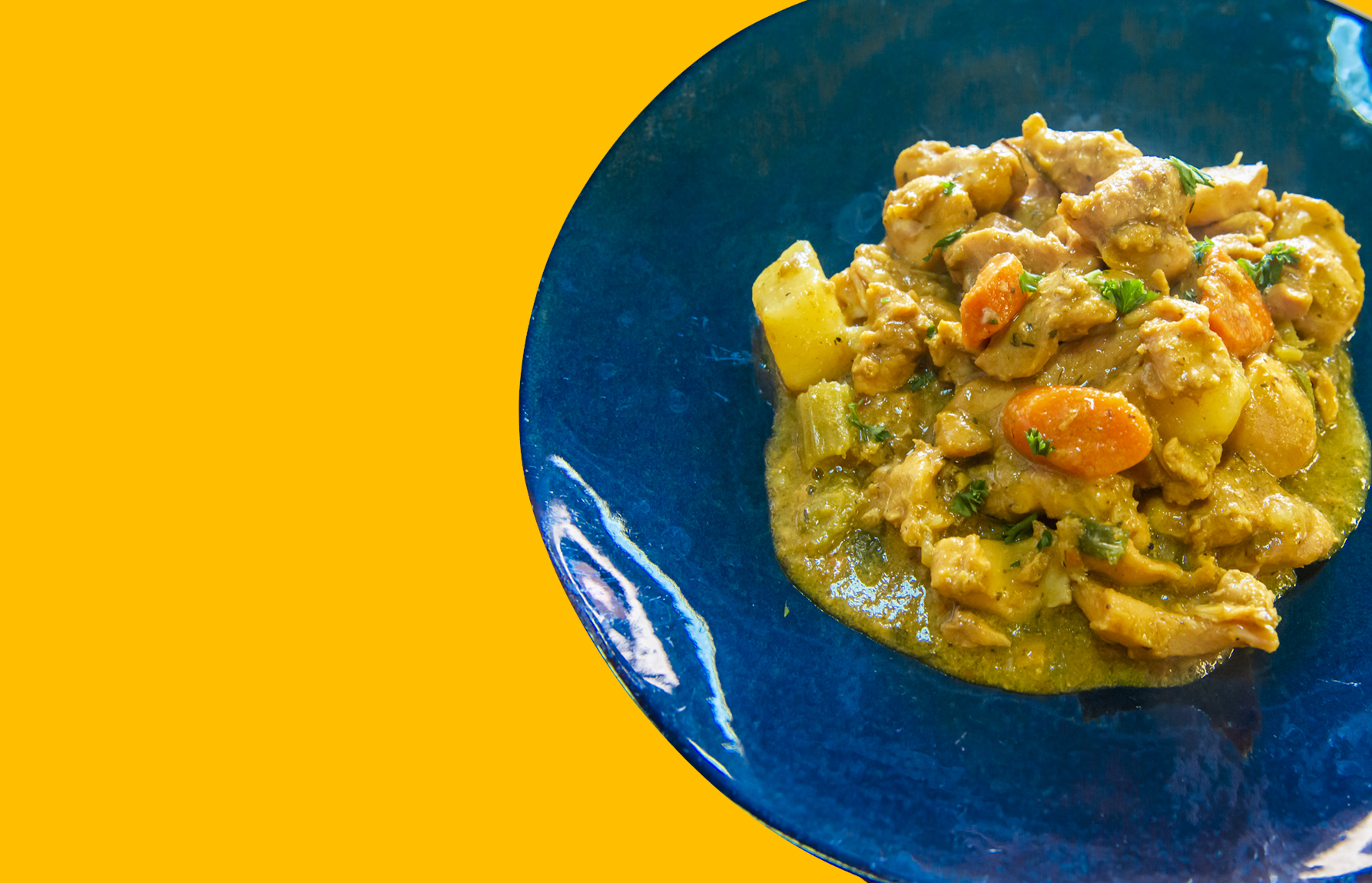
Curry goat remains one of the most beloved versions, particularly for gatherings. Goat requires patient cooking. Done badly, it turns tough and gamey. Done well, it becomes tender enough to pull from the bone while still retaining character. The gravy should be thick, spiced, and bright enough to cut through the richness. Potatoes, when included, should absorb flavor without disintegrating.
Brown stew chicken sits at the heart of everyday Jamaican home cooking. The chicken is seasoned, often browned first, then simmered with onion, tomato, peppers, thyme, and enough liquid to produce a glossy, savory gravy. This is not restaurant theatrics. It is dependable food, the kind of dish people measure memories against. Every family seems to have a version, and arguments over the best one usually hinge on details most outsiders would miss, whether the chicken was marinated long enough, whether the browning turned bitter, whether the gravy was too loose.
Red peas soup belongs in this conversation too. It is substantial enough to be a meal and often includes kidney beans, salted meat or pig’s tail, pumpkin, dumplings, and ground provisions. It can feel almost excessive in the best way, a pot designed to feed many people well.
Street food and bakery culture
A serious understanding of Jamaican food has to include what people eat on the move. The Jamaican patty is perhaps the most internationally visible example, but it is only one part of a larger snack culture. A good patty has a flaky crust with enough structure to hold the filling without shattering into dust. The filling, whether beef, chicken, vegetable, or saltfish, should be moist and assertively seasoned. The yellow crust, usually colored with turmeric or annatto, is more than a visual cue. It signals the spice and richness expected inside.
Coco bread with a patty tucked inside is one of those combinations that looks simple and eats brilliantly. The soft, slightly sweet bread cushions the heat and catches the filling. It is efficient, satisfying, and unmistakably Jamaican.
Bakery counters across the island also reveal the quieter side of the cuisine. Bulla, spiced buns, gizzada, grater cake, and toto all speak to a deep tradition of coconut, molasses, spice, and practicality. These are not flashy desserts. They are everyday sweets shaped by what was available and what kept well in a warm climate.
The best way to approach Jamaican snack culture is with appetite and flexibility. A shop that looks modest may produce the most memorable patty of the trip. A gas station bakery can surprise you. A roadside vendor selling roasted corn or jelly coconut may deliver exactly what the heat calls for.
What a Jamaican breakfast says about the culture
Breakfast in Jamaica often carries more weight than visitors expect. It can be hearty, deliberate, and deeply tied to older eating patterns built around labor, school, church, and long days outdoors. Cornmeal porridge, oats porridge, callaloo, liver, boiled dumplings, mackerel, and hard dough bread all appear in different combinations depending on household habits and region.
Porridge, in particular, deserves respect. Jamaican porridge is not a thin afterthought. It is often thick, warmly spiced, and enriched with condensed milk, nutmeg, cinnamon, or vanilla. It is comfort food, but it is also fuel. A bowl can carry someone through a morning of real work.
Callaloo, a leafy green dish related to amaranth, often cooked with onion, garlic, tomato, thyme, and sometimes saltfish, shows another Jamaican strength, making vegetables craveable without overcomplication. It tastes fresh, mineral, and savory, and pairs naturally with dumplings or bread.
Drinks that belong with the food
Jamaican food culture extends into the glass. Sorrel, especially around Christmas, brings hibiscus sharpness, spice, and often rum. Ginger beer, when made traditionally, has real bite and freshness. Peanut punch is rich and filling, almost a snack in liquid form. Fresh juices from soursop, carrot, or Irish moss drinks are common in ways that surprise visitors used to narrower beverage options.
Rum, of course, plays a role, but not always in the obvious celebratory way. It appears in cake, in social rituals, in casual conversation at roadside bars. Yet it is worth noting that some of the most satisfying pairings with Jamaican food are nonalcoholic. A cold ting with fried fish, a homemade juice with a patty, a strong ginger drink with jerk, these combinations make practical sense in the climate and in the palate.
How to recognize authenticity without romanticizing it
Authentic Jamaican food is not frozen in time, and it does not need to be rustic to be real. Fine dining chefs, diaspora cooks, and younger Jamaicans all reinterpret the cuisine. Some changes are thoughtful and skillful. Others flatten the food into clichés. The challenge is knowing the difference.
A useful way to judge authenticity is to look for the following qualities:
- clear seasoning, where herbs, spice, smoke, and salt feel intentional rather than generic
- respect for texture, especially in starches, stews, and fried foods
- a connection between the dish and its traditional logic, even if presentation changes
- restraint with sweetness and heat, so neither overwhelms the whole
- signs that the cook understands the cuisine from the inside, not just from a recipe card
That last point matters. Jamaican food is full of small judgments that rarely make it into written recipes. When to add the thyme. Whether the Scotch bonnet goes in whole or chopped. How dark to take the browning before bitterness appears. How long to soak saltfish, depending on the brand and the intended dish. These are craft decisions learned over time.
At the same time, authenticity should not become a rigid performance. Jamaican cuisine has always evolved. What matters is whether the evolution still sounds like Jamaica.
Cooking Jamaican food at home, what people often get wrong
Home cooks outside the island often make two mistakes. The first is under-seasoning because they are cautious about heat. The second is overcompensating by making everything aggressively spicy. Neither approach works. The goal is not simply hot food. It is balanced, aromatic food with backbone.
The most useful adjustments are practical. Use fresh thyme, not just dried. If you can find Scotch bonnet, use it carefully rather than substituting a random hot sauce. Do not skip allspice when it belongs in the dish. Taste your browning sauce with respect, because too much can make a stew acrid. Give beans, rice, and tougher meats enough time. Jamaican food is often straightforward, but it rarely rewards rushing.
For anyone building a pantry for Jamaican cooking, a few ingredients go a long way:
- allspice, often called pimento in Jamaica
- Scotch bonnet peppers
- thyme and scallion
- curry powder suited to Jamaican style
- coconut milk and dried beans for staples like rice and peas
Even then, ingredients alone are not enough. Method matters. So does patience. The food should taste like someone paid attention.
The emotional life of Jamaican food
What lingers after a great Jamaican meal is not only flavor. It is mood. The food often carries generosity, insistence, and memory all at once. Sunday dinner is not just dinner. Christmas cake is not just dessert. Soup on a Saturday, jerk by the roadside, porridge before school, these are habits that shape identity.
Diaspora communities understand this well. In London, Toronto, New York, Miami, and many other cities, Jamaican food acts as a cultural anchor. It keeps language, memory, and standards alive. People debate whose curry goat is best because the dish matters beyond taste. It represents continuity. It can remind someone of a grandmother’s kitchen, a school lunch, a market town, or a holiday visit that ended too soon.
That emotional depth is part of why authenticity matters. Not because food must remain static, but because flavor can carry history with remarkable precision. A spoonful of properly made rice and peas can do more than satisfy hunger. It can locate someone.
Authentic Jamaican food captures island culture because it reflects the island’s full complexity. It is bold without being blunt, resourceful without being austere, and celebratory without losing touch with hardship. It honors fire, salt, coconut, starch, herbs, and time. Most of all, it speaks with a distinct voice. Once you know that voice, you can hear it in every good plate.
Reggae Pot Jamaican Grill
2243 S Monaco St Pkwy #104
Denver, CO 80222
+1 720-410-2956
FAQ About jamaican food
What is the best Jamaican food to try in Denver?
The best choice depends on your tastes. Popular options include jerk chicken, curry goat, slow-cooked oxtail, and savory patties. Reggae Pot lists these dishes on its menu, with sides such as rice and peas and plantains. Ask the Denver team about current availability and spice levels.
Is Jamaican food very spicy in Denver?
Heat varies by dish and preparation. Jerk seasoning often includes scotch bonnet peppers alongside herbs and allspice, while other dishes may have gentler seasoning. Ask about the heat of the specific dish and any sauce before ordering.
What are some popular Jamaican snacks?
Jamaican patties are a popular snack made with flaky pastry and savory meat or vegetable fillings. Other options include fried dumplings and festival, a sweet fried dough often served with savory dishes. Availability varies, so check the current menu when ordering.