Discover the Comfort, Spice, and Joy of Jamaican Food
Jamaican food has a way of announcing itself before it ever reaches the table. You catch the smoke first, then the warm spice, then the sweetness of caramelized onions or ripe plantain, and finally the unmistakable heat of Scotch bonnet pepper. It is bold food, but it is not reckless. The best Jamaican cooking is balanced, patient, and deeply rooted in memory. It carries the island’s history in every pot and on every grill.
People often reduce Jamaican food to one or two famous dishes, usually jerk chicken and patties. Those dishes deserve their fame, but they tell only part of the story. Jamaican cooking is as much about slow simmering as it is about fire. It is about breakfast as much as street food. It is food made for family tables, roadside stalls, beach cookouts, corner bakeries, and Sunday gatherings that stretch well into the afternoon.
What makes it so satisfying is not only the flavor. It is the structure of the meal itself. Jamaican cooking understands contrast. You get heat against sweetness, crisp edges against soft interiors, rich gravies lifted by fresh herbs, and starchy sides that make room for sauces and spice. It is comfort food with personality.
More than heat, a cuisine built on balance
People who have never spent much time with Jamaican food often expect one thing, spice. They are not wrong, but they are incomplete. Scotch bonnet pepper matters, yet Jamaican cooking is just as dependent on thyme, scallion, allspice, ginger, garlic, coconut, pimento wood smoke, and carefully browned sugar. Heat is a tool, not the whole toolbox.
That balance becomes clear in dishes like brown stew chicken. A good version has sweetness from browning sauce or caramelized sugar, savoriness from onions and peppers, freshness from thyme, and enough heat to keep the sauce lively rather than punishing. Rice and peas, the classic partner, brings its own mellow depth through coconut milk, kidney beans or gungo peas depending on the season, and aromatics cooked into the pot. Together they make a meal that feels complete rather than chaotic.
The same principle shows up in jerk. Outsiders sometimes think jerk means simply very spicy grilled meat. In practice, proper jerk is layered. The allspice gives it a resinous warmth, almost clove-like but rounder. Thyme adds herbal lift. Scotch bonnet provides the punch. Brown sugar or naturally sweet ingredients help the marinade cling and char. Smoke finishes the job. A rushed jerk seasoning can taste sharp and one-dimensional. A careful one tastes deep, fragrant, and alive.
This attention to balance is one reason Jamaican food travels so well. Even when ingredients vary by region or household, the instinct remains the same. Flavor should be assertive, but it should still feel composed.
The history in the pot
No serious conversation about Jamaican food can ignore the island’s history. The cuisine reflects Indigenous knowledge, African culinary traditions, British colonial influence, Indian indentured labor, Chinese migration, and the agricultural reality of a tropical island. That is a lot of history to hold in one kitchen, yet Jamaican cooks do it naturally.
Ackee and saltfish is the most famous example of that layered inheritance. Ackee, a fruit brought from West Africa, became Jamaica’s national fruit. Saltfish, usually cod preserved in salt, came through colonial trade routes and the practical demands of transporting food over long distances. Cooked together with onions, tomatoes, thyme, and pepper, they create a dish that feels inevitable, as though they always belonged together.
Curry goat tells a similar story. The curry powder reflects Indian influence, but the dish became unmistakably Jamaican through local adaptation. The seasoning tends to be earthier and more aromatic than many restaurant versions elsewhere. The goat is often marinated well in advance, then cooked until the connective tissue relaxes and the sauce thickens naturally. It is the kind of dish that improves when nobody rushes it.
Even the pantry tells a story. Coconut milk, cassava, green bananas, breadfruit, yams, and callaloo speak to the island’s agricultural roots. Tinned mackerel and saltfish point to preservation and trade. Patties hint at British pastry traditions, transformed by local spice and a preference for a brighter, more colorful crust.
Jamaican food is not static heritage preserved behind glass. It is living practice. Every generation tweaks proportions, adopts new habits, and argues over the right way to cook familiar dishes. That tension between tradition and adaptation is part of what keeps the cuisine vibrant.
Why Jamaican food feels like comfort food
Comfort food usually means something warm, filling, and familiar. Jamaican food fits that definition, but it adds a kind of energy that many comfort cuisines do not. It comforts without becoming dull.
Take soup, for example. Jamaican soups are not shy broths. They are substantial and deeply seasoned. Chicken foot soup, red pea soup, mannish water, pumpkin soup, and fish tea each have their own character, but they share a generosity of body and purpose. These are soups meant to nourish, restore, and satisfy. They often contain dumplings, ground provisions, or meat cooked long enough to enrich the liquid. A bowl can feel restorative after a long week, a late night, or bad weather.
Then there is the category Jamaicans often call “food,” a term that can mean the starchy staples that anchor a meal. Boiled green bananas, yam, dumplings, breadfruit, and sweet potatoes do more than fill space on the plate. They absorb gravy, temper spice, and provide the steadying foundation for stronger flavors. Anyone who has eaten spicy escovitch fish with plain festival or bammy understands how deliberate that pairing is.
Comfort also comes from repetition and ritual. In many households, certain meals belong to certain days or occasions. Saturday soup. Sunday rice and peas. Fried dumplings for breakfast. Patties after school. These patterns matter. They make food part of the week’s rhythm, not just fuel squeezed between obligations.
The dishes that deserve your attention
Jerk chicken may be the global ambassador for Jamaican food, but it should not monopolize the conversation. A fuller appreciation starts when you look sideways at the rest of the table.
Ackee and saltfish is often the dish that surprises newcomers most. When cooked properly, ackee has a soft texture that many people compare loosely to scrambled eggs, though the flavor is its own. It is delicate, and that delicacy matters because it softens the savory assertiveness of the saltfish. The dish can be rich, so it often shines brightest with boiled green banana, fried dumpling, or roasted breadfruit.
Oxtail is beloved for good reason. It is expensive now, often far more than it once was, which says something about demand. A well-made Jamaican oxtail should be gelatinous without being greasy, deeply browned, and seasoned all the way through. Butter beans are not an afterthought. They round out the sauce and turn it into something you want to drag every grain of rice through.
Escovitch fish shows another side of the cuisine, sharp and bright rather than heavy. Traditionally, whole fish is fried until the skin is crisp, then topped with a vinegary mixture of onions, carrots, and Scotch bonnet. The point is contrast, hot fish, cool pickle, crisp surface, acidic lift. It is especially good in warm weather, when rich stews can feel like too much.
Pepper shrimp, often associated with roadside stops and market stalls, offers a more direct kind of pleasure. It is fiery, aromatic, and messy in the best way. The seasoning liquid tends to stain your fingers and linger on your lips. That is part of the experience. Jamaican food is not always neat, and it should not have to be.
Then there are the foods that support daily life rather than food tourism. Tin mackerel with onions and tomato. Cornmeal porridge with nutmeg and condensed milk. Callaloo sautéed with garlic and pepper. These dishes rarely dominate international marketing, yet they may say more about how people actually eat.
Breakfast in Jamaica is serious business
A strong Jamaican breakfast can carry a person deep into the day. It is not unusual for morning meals to include starch, fish, fruit, tea, and something fried or boiled. This is practical eating, but it is also pleasurable eating.
Ackee and saltfish may be the best-known breakfast, but it shares space with callaloo and saltfish, liver, fried plantain, mackerel rundown, boiled dumplings, and porridges made from cornmeal, oats, peanut, banana, or hominy. The seasonings are not scaled down because it is morning. Jamaican breakfasts tend to taste fully alive.
That matters because breakfast reveals a cuisine’s priorities. A place that starts the day with thyme, scallion, and pepper is not interested in blandness. Even the tea culture has its own personality. Chocolate tea made from grated cocoa and spices is not a delicate afterthought. It is substantial, fragrant, and memorable.
For visitors, breakfast is often the meal that changes their understanding of Jamaican food. At lunch or dinner, people may expect bold seasoning. At breakfast, they realize that boldness is woven into ordinary life.
Street food, bakeries, and the pleasure of eating on the move
To understand Jamaican food, you need to leave the formal dining room at least once. Roadside grills, small shops, and bakeries reveal the cuisine’s pace and practicality. They also show how much pleasure can fit into affordable food.
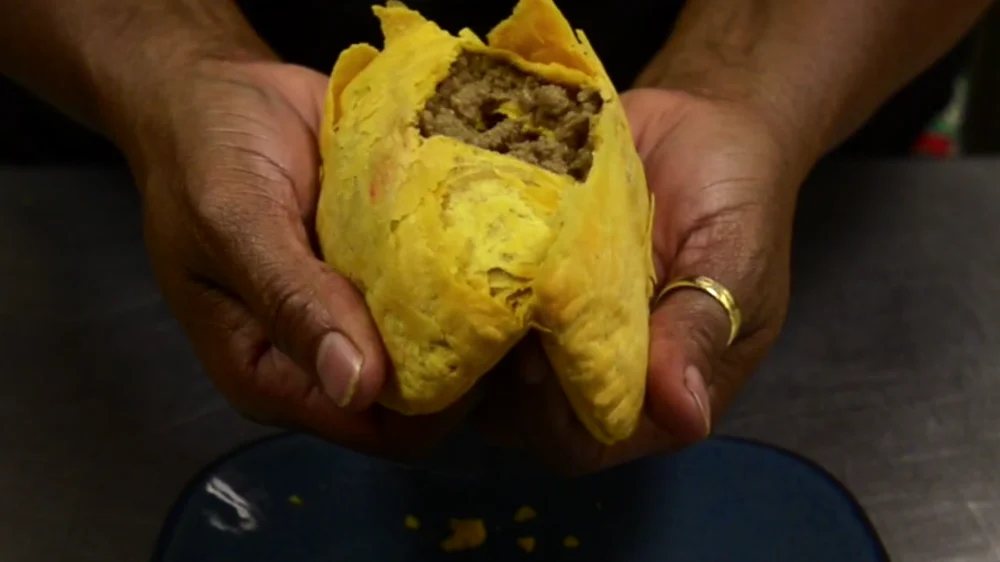
The Jamaican patty remains one of the great hand-held foods anywhere. The crust should be flaky but sturdy enough to hold the filling. The color, often golden with a warm yellow tone, is part of its visual appeal. Inside, the filling may be beef, chicken, vegetable, shrimp, soy, or saltfish. What separates a good patty from a https://dallasilcw212.rivertonbrief.com/posts/the-rise-of-jamaican-food-in-global-dining forgettable one is not novelty but seasoning and texture. The filling should be moist, distinct, and flavorful enough to stand up to the pastry.
A patty with coco bread is one of those combinations that seems simple until you eat a good one. The soft, slightly sweet bread cushions the pastry and makes the whole thing more substantial. It is bakery logic at its finest, texture meeting flavor in a way that makes perfect sense after the first bite.
Festival deserves more love than it usually gets. These lightly sweet fried dumplings are often served alongside fried fish or jerk. Their sweetness is subtle, but crucial. Against very spicy or vinegary dishes, festival acts almost like a palate reset. It is one of the clearest examples of Jamaican food using sweetness strategically rather than sentimentally.
On the street, you also see the social side of the cuisine. People debate whose jerk is best, whose patty crust is flakiest, whose soup has the right amount of body. Those arguments are not trivial. They are how culinary standards stay alive.
What gives Jamaican food its distinct flavor
Several ingredients define the flavor profile of Jamaican food, but one stands above the rest: allspice, known on the island as pimento. Its warm, aromatic character runs through jerk, stews, drinks, and baked goods. If you leave it out, the food can still be good, but it will taste less Jamaican.
Thyme is another cornerstone. Fresh thyme appears in soups, curries, rice, and fish dishes so often that you start to notice how much structural work it does. It adds clarity to rich food and depth to lighter dishes. Scallion performs a similar role, bringing freshness and savoriness at the same time.
Scotch bonnet pepper deserves respect. It is hot, yes, but its flavor matters just as much as its heat. There is a fruitiness to it that thinner, harsher chilies often lack. Good cooks know when to mince it into a marinade, when to drop it whole into a pot, and when to let diners decide their own level of risk.
Another important piece is browning. Jamaican cooks often make browning by carefully caramelizing sugar in oil or use prepared browning sauce for convenience and consistency. It contributes color, a bittersweet edge, and the kind of dark flavor that makes stews taste finished.
Smoke also matters, especially with jerk. Cooking over pimento wood gives a distinctive aroma that is hard to replicate exactly with a standard grill. Some home cooks use charcoal and add wood chips or allspice berries to approximate the effect. It is never quite identical, but it can get close enough to scratch the itch.
The role of sides, starches, and everyday pairings
One of the easiest mistakes people make with Jamaican food is treating the main protein as the entire event. In practice, the supporting elements are essential. Rice and peas is not generic rice. Bammy is not just a flatbread. Fried plantain is not decoration.
Rice and peas, despite the name, is usually made with kidney beans and almost always benefits from coconut milk, thyme, scallion, garlic, and sometimes a whole Scotch bonnet. Its fragrance is part of the meal’s architecture. Put plain white rice next to curry goat and you lose a conversation between the dishes.
Bammy, made from cassava, has a subtle sourness and chewy texture that pairs beautifully with fish. It can be fried, steamed, or finished in coconut milk depending on the style. Breadfruit, roasted or fried, plays a different role. Its texture can range from creamy to firm, and it carries seasoning well without demanding attention.
Plantain may appear at any stage of ripeness. Green plantain behaves more like a starch. Yellow and blackened plantain lean into sweetness. The choice changes the meal. Fried ripe plantain next to salty, spicy protein creates a contrast many people quickly become attached to.
These pairings are not random. They come from long experience with what tastes right together, what fills people up, and what ingredients are available.
Cooking Jamaican food at home, where care matters most
Cooking Jamaican food at home is absolutely possible outside Jamaica, but it rewards patience and ingredient awareness. The main challenge is not complexity. It is restraint and timing.
The first common mistake is under-seasoning. Jamaican food usually starts with assertive seasoning early in the process, not a timid sprinkle at the end. Meat often benefits from marinating overnight, particularly chicken, goat, or pork intended for jerk or curry. Even fish, which needs less time, improves when salt, herbs, and pepper have a chance to penetrate.
The second mistake is relying too heavily on raw heat. If all you taste is Scotch bonnet, the dish is out of balance. Heat should ride on top of savoriness, herbs, sweetness, and smoke or browning. It should not flatten them.
The third issue is texture. Ackee can break apart if overhandled. Rice and peas can become mushy if the liquid ratio is off or the beans are overcooked before they meet the rice. Fried plantain can go from beautifully caramelized to oily in a short window if the pan is not hot enough.
A few practical habits make a difference:
- Taste marinades and sauces before they hit the heat, adjusting salt, sweetness, and acid early.
- Use fresh thyme, scallion, and garlic when possible, because dried substitutes change the profile noticeably.
- Let stews rest after cooking if time allows, since many Jamaican dishes improve as flavors settle.
- Pair strong mains with the right starch, because balance on the plate matters as much as seasoning in the pot.
- Respect the pepper, especially for guests, since Scotch bonnet can vary a lot in intensity.
If you cannot find every traditional ingredient, it is usually better to cook honestly with what you have than to fake authenticity through excess seasoning. A thoughtful adaptation still tastes better than a loud imitation.
Sweet endings and something to drink
Jamaican food does not stop at savory dishes. The dessert and drink traditions carry the same sense of identity. Rum cake, gizzada, grater cake, sweet potato pudding, toto, and coconut drops all have a place, and none feel generic.
Sweet potato pudding, when made well, is dense, spiced, and fragrant with coconut and warming spices. It is often described affectionately with a phrase about being “hell a top, hell a bottom, and hallelujah in the middle,” a vivid bit of culinary folklore that captures how prized the texture is when the edges darken and the center stays rich and tender.
Drinks matter too. Sorrel, especially around Christmas, brings tartness, spice, and color. Ginger beer should bite. Peanut punch is hearty enough to feel like a snack. Fresh juices and blended fruit drinks remind you that tropical abundance is never far from the Jamaican table.
These are not just refreshments or sweets. They continue the cuisine’s pattern of intensity, warmth, and generosity.
Why people keep coming back to Jamaican food
Some cuisines impress once and then settle into memory. Jamaican food tends to create cravings. Part of that is sensory. Smoke, spice, sweetness, and rich gravies are naturally memorable. But there is something else at work. Jamaican food feels hospitable. It wants to feed people properly.
A plate of curry goat with rice and peas, a side of plantain, and a spoonful of gravy is not built around minimalism. A bowl of soup with dumplings and ground provisions is not meant to leave you peckish. A patty is not engineered to be polite. This is food with appetite, confidence, and emotional range.
That is why the cuisine resonates far beyond the island. It delivers excitement, but it also delivers reassurance. It can be festive and practical, fiery and gentle, deeply traditional and adaptable. Few food cultures manage that combination so naturally.
To discover Jamaican food fully, it helps to go beyond the famous names and let the cuisine reveal its quieter strengths. Eat the breakfast. Try the soups. Notice the starches. Pay attention to the herbs and smoke and the way sweetness is used to sharpen, not soften, the meal. Once you do, the joy of Jamaican food becomes obvious. It is not only in the spice. It is in the care, the balance, and the unmistakable feeling that every dish was made to be shared.
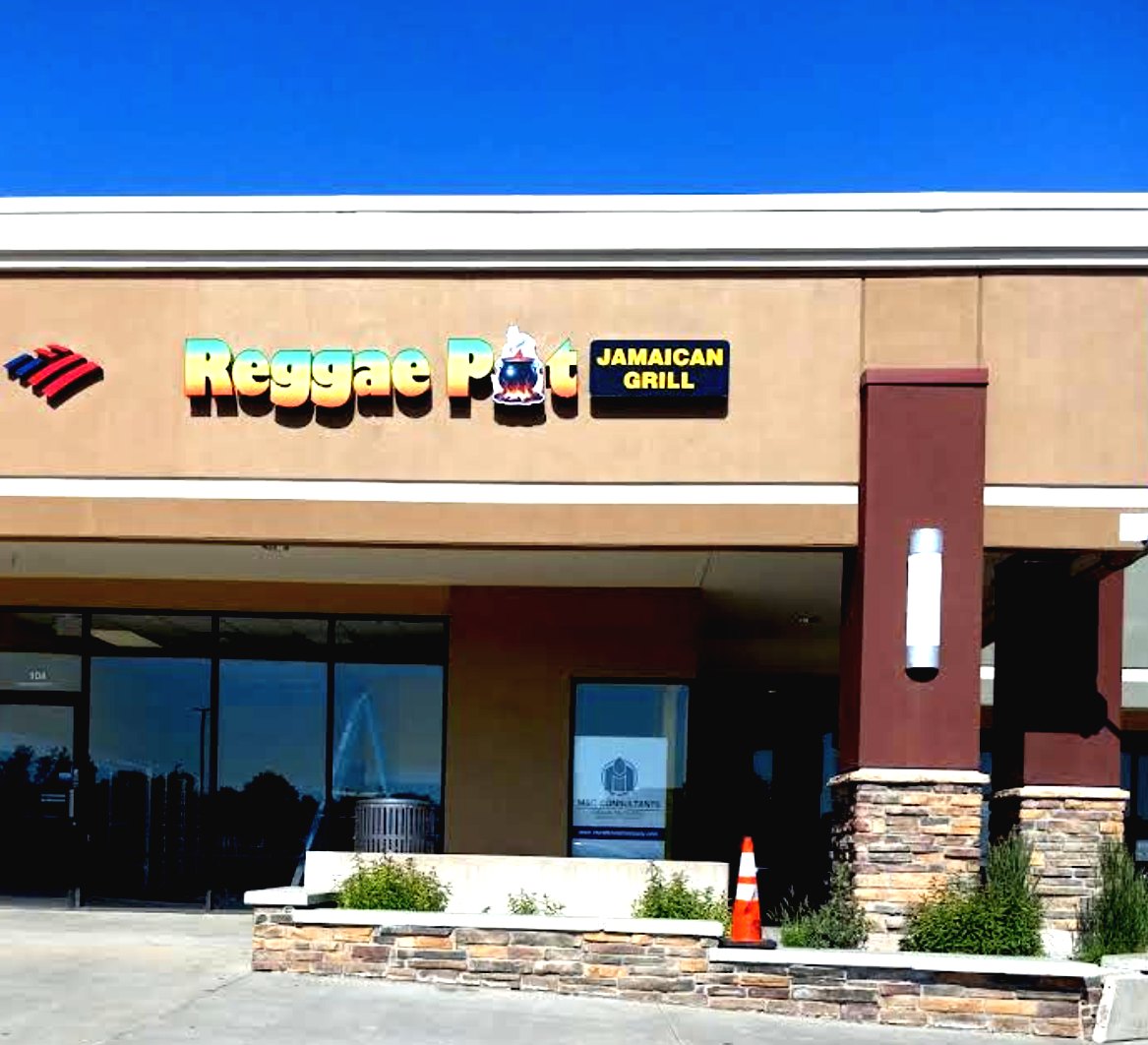
Reggae Pot Jamaican Grill
2243 S Monaco St Pkwy #104
Denver, CO 80222
+1 720-410-2956
FAQ About jamaican food
What is the best Jamaican food to try in Denver?
The best choice depends on your tastes. Popular options include jerk chicken, curry goat, slow-cooked oxtail, and savory patties. Reggae Pot lists these dishes on its menu, with sides such as rice and peas and plantains. Ask the Denver team about current availability and spice levels.
Is Jamaican food very spicy in Denver?
Heat varies by dish and preparation. Jerk seasoning often includes scotch bonnet peppers alongside herbs and allspice, while other dishes may have gentler seasoning. Ask about the heat of the specific dish and any sauce before ordering.
What are some popular Jamaican snacks?
Jamaican patties are a popular snack made with flaky pastry and savory meat or vegetable fillings. Other options include fried dumplings and festival, a sweet fried dough often served with savory dishes. Availability varies, so check the current menu when ordering.