Jamaican Food in Denver: Best Places for Oxtail and Curry Goat
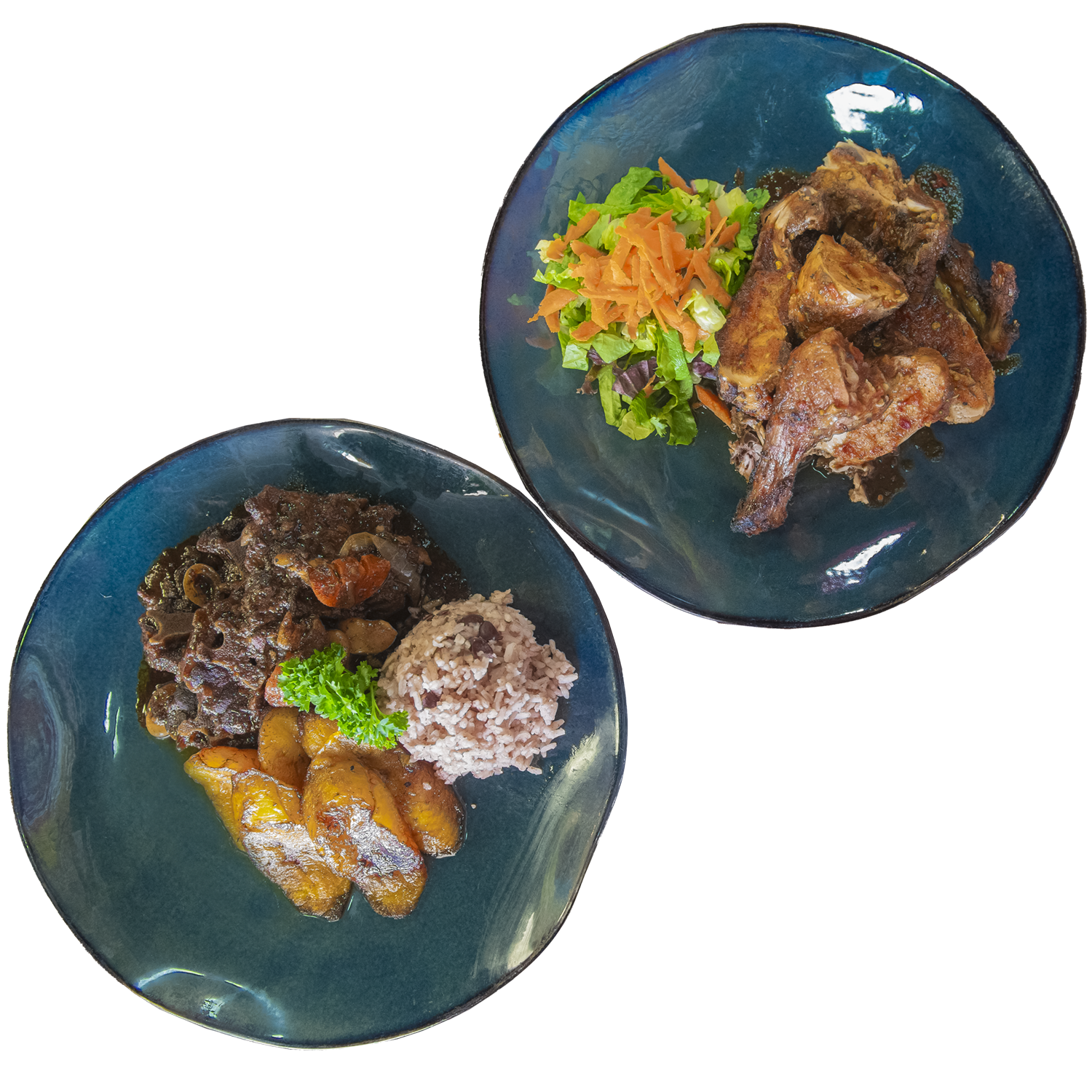
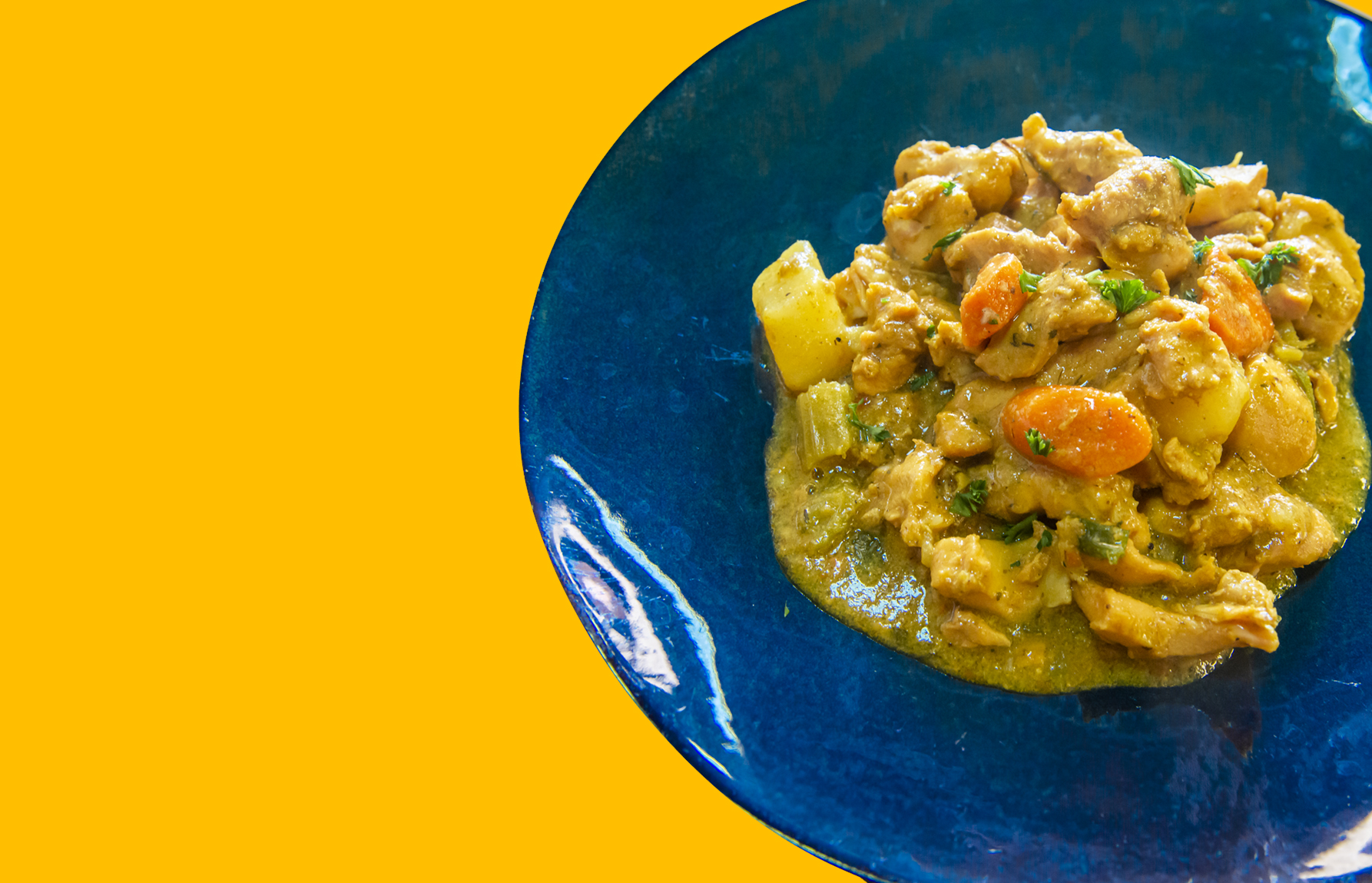
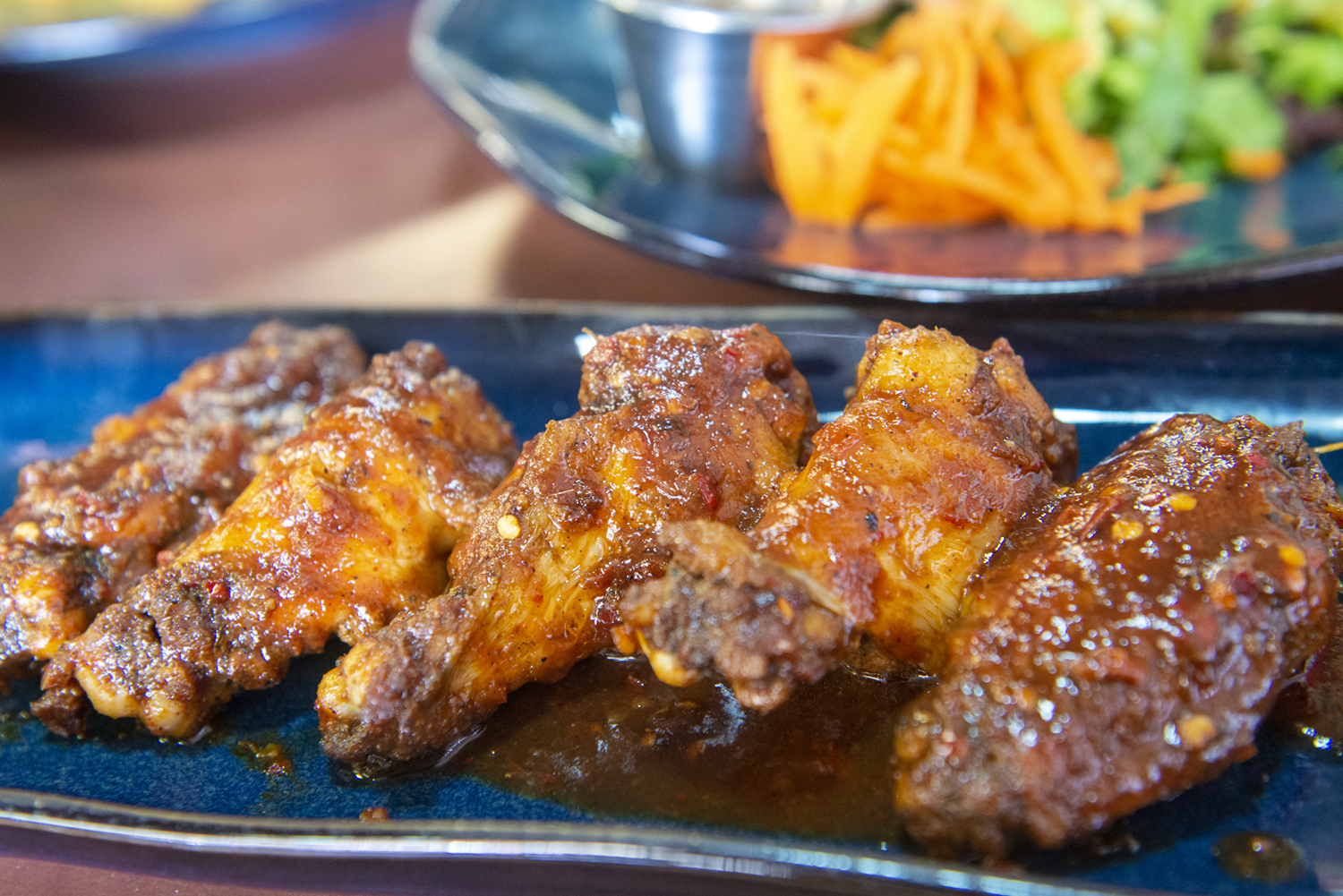
Denver is not the first American city people name when they talk about Jamaican cooking, but that is part of what makes the search interesting. You do not usually find a dense strip of longstanding Jamaican storefronts the way you might in parts of Brooklyn, South Florida, or Toronto. What you do find is a smaller, more scattered scene made up of neighborhood restaurants, broader Caribbean kitchens, pop-ups, and takeout counters where one or two dishes are made with obvious care. If you are specifically chasing oxtail and curry goat, that distinction matters. These are not casual add-ons. They are labor-heavy dishes that reveal whether a kitchen understands patience, seasoning, and texture.
Anyone looking for great jamaican food denver options should start with that reality. The best plate is not always coming from the sleekest dining room or the most visible location. More often, it comes from a kitchen that respects time. Oxtail needs slow braising until collagen melts into the gravy. Curry goat needs spice layered in stages, not just dusted on at the end. Rice and peas cannot feel like an afterthought. Cabbage has to bring freshness without turning watery. A good https://zanderhydz800.bearsfanteamshop.com/denver-s-best-jamaican-food-for-bold-caribbean-flavor Jamaican plate is a system. If one piece is weak, the whole thing tilts.
What makes a Denver Jamaican spot worth the trip
When I am trying a new Jamaican restaurant in a city where the scene is still developing, I pay less attention to broad menu size and more attention to a few key tells. A ten-page menu can be a warning sign. Jamaican food, done well, rewards focus. A shorter menu with oxtail, curry goat, jerk chicken, rice and peas, steamed cabbage, and maybe a patty or soup often means the kitchen knows where its strengths are.
The first thing to notice is aroma. You should smell allspice, thyme, scallion, scotch bonnet heat, onions cooking down, and that darker, savory scent that comes from browning meat before braising it. Jamaican food should smell alive before it ever reaches the table. Then there is the look of the steam table or takeout line, if there is one. Oxtail gravy should be glossy and deep brown, not grayish or greasy. Curry goat should sit in a sauce that clings to the meat rather than pooling thinly around it.
Texture tells the truth fastest. Good oxtail in Denver, or anywhere else, should yield with very little effort. You should be able to pull the meat away from the bone without shredding it into mush. The best versions have body, not just softness. The gravy should carry the richness of marrow and browned aromatics, with enough salt and spice to keep each bite moving. Curry goat is slightly trickier. Goat naturally brings a stronger, more assertive flavor than beef or chicken, and it can turn dry if rushed. The right plate tastes earthy, warm, and deeply seasoned, with the curry itself showing more than one note. You want turmeric and toasted spice, but also sweetness from onion, brightness from herbs, and a peppery finish.
One of the easiest mistakes diners make is treating sides as filler. In Jamaican cooking, the sides are part of the test. Rice and peas should be tender and aromatic, often carrying coconut, thyme, scallion, and a gentle savoriness from the cooking liquid. The peas, usually kidney beans in many restaurant versions, need to taste integrated rather than sprinkled in. Steamed cabbage should reset the palate. Plantains should bring sweetness and soft caramelized edges. If the sides are flat, the kitchen may be relying too heavily on the main protein to do all the work.
Oxtail, the dish Denver diners talk about first
There is a reason oxtail tends to be the gateway order. It is rich, comforting, and dramatic enough to justify the price. It is also one of the easiest dishes to get wrong. A lot of restaurants everywhere, not just in Denver, serve oxtail that is either under-braised or skimmed of too much character. The result can be stringy meat, a thin sauce, or a bowl of bones with very little payoff.
A strong oxtail plate should taste developed, as if the pot has had time to settle into itself. Browning matters here. If the kitchen has taken the time to sear the meat well, you will taste that deeper foundation in the gravy. Beans are common in the sauce at many Jamaican spots, and when they are handled well they contribute creaminess and body. You should get sweetness from cooked onions and carrots, herbal lift from thyme, and a touch of heat that appears after the richness lands.
In Denver, where ingredient costs and labor pressures can push restaurants toward shortcuts, oxtail is often the dish that separates serious operators from everyone else. If a place only offers it on certain days, I do not see that as a flaw. It can be a good sign. Oxtail is expensive, time-consuming, and popular enough to sell out. A kitchen that limits it may simply be protecting quality.
There is also a practical side for diners. If you want the best chance at a fresh, fully stocked oxtail order, lunch is often smarter than a late dinner visit. Dishes like this are usually strongest in the heart of service, when the braise has had time to mature but the pan has not been scraped down to its last portion.
Curry goat is the sharper test of the kitchen
Oxtail wins more people over immediately, but curry goat is the dish I trust when I want to understand a Jamaican restaurant. There is nowhere to hide with goat. It needs thoughtful trimming, enough marinating time, and the right cooking window. Underdo it and it is chewy. Overdo it and the meat loses its structure. Miss the seasoning and the natural gaminess stands apart from the curry instead of blending into it.
At its best, curry goat delivers layered warmth rather than simple heat. Jamaican curry powder has its own identity, usually brighter and more aromatic than some Indian-style curry blends people may know better. The spices need time to bloom in oil and mingle with the meat. Potatoes, if included, should absorb flavor rather than dilute it. The sauce should feel substantial but not heavy. A good curry goat plate usually gets better as you move through it, especially when the sauce starts soaking into the rice.
Denver diners sometimes come to curry goat expecting the sharp red heat of jerk seasoning. That misses the point. The heat level may be moderate. The real pleasure is in depth, not punishment. A cook who knows this dish builds from seasoning, browning, spice, liquid, and time. By the time it hits the plate, the curry should feel inseparable from the goat.
How to spot the best plate before you order
A few details can save you from a mediocre meal, especially if you are trying a restaurant for the first time.
- Ask whether oxtail or curry goat is a daily item or a special. Specials often mean fresher turnover.
- Notice what locals are ordering for takeout. Repeat customers usually know the strongest dishes.
- If the menu offers a choice of sides, pick rice and peas plus cabbage before anything else. That is the clearest baseline.
- Do not judge a place by mild service pacing alone. Slow food often arrives from kitchens working from scratch.
- If a restaurant is out of oxtail early, that can be frustrating, but it is often better than a pan held too long.
These are small signals, but they matter in a city where Jamaican food is still a targeted search rather than an every-block option.
Where Denver’s Jamaican food scene tends to shine
The best jamaican food denver seekers find is often clustered in a few patterns rather than a single famous corridor. One pattern is the small, family-run restaurant with a compact menu and loyal lunch crowd. Another is the broader Caribbean restaurant where Jamaican staples anchor the menu, even if the kitchen also cooks dishes from Trinidad, Haiti, or other parts of the region. There are also pop-ups and food trucks, which can be excellent for jerk and patties, though they are less reliable for slow braises unless the operator is particularly organized.
The neighborhood matters less than the kitchen’s rhythm. Denver’s spread-out geography means destination dining is normal. People will drive twenty or thirty minutes for a plate that tastes right. That is especially true with oxtail, which is expensive enough that nobody wants to gamble on a weak version. If you are serious about finding the best spots, follow the places that get talked about for consistency rather than novelty. Jamaican food should not need reinvention to feel compelling.
One thing Denver does well is hybrid dining culture. It is common to find strong food in modest spaces. Strip-mall locations, shared food halls, and casual storefronts can all produce excellent plates. That should actually make sense for Jamaican cooking, which often thrives where the emphasis stays on the pot rather than on table theatrics. A polished room is pleasant, but it is not what makes the oxtail tender.
Why some plates disappoint, even at otherwise good restaurants
A decent Jamaican restaurant can still miss on oxtail or curry goat for practical reasons. The first is volume. Slow braises are hard to scale if demand spikes unexpectedly. A restaurant may nail the dish on a Thursday and serve an overheld version on Saturday night. The second is cross-menu ambition. If a kitchen is trying to cover too many cuisines or too many proteins, the labor required for these dishes can slip. The third is audience adaptation. Some restaurants tone down seasoning because they believe local diners want something gentler. That choice can flatten the food.
There is also the ingredient issue. Goat quality varies. Oxtail pricing has climbed sharply over the years, and that pressure shows up in portion sizes and menu frequency. A strong kitchen can work within those constraints, but no restaurant is immune to them. This is why the best places tend to be the ones that know their lane. They may charge more for oxtail, but the plate arrives with enough depth to justify it.
What to order with your main, and what can wait
If you are going to judge a Jamaican restaurant in Denver on a first visit, pair your main dish carefully. Rice and peas is the obvious companion, and for good reason. It catches gravy, balances spice, and tells you whether the kitchen thinks beyond the protein. Steamed cabbage is the best second side because it cuts through richness. Fried plantains make sense if you like sweetness, though at some restaurants they can lean too soft or too sugary to do much work alongside a heavy braise.
Patties are worth ordering when they look freshly baked or when the place is known for them, but they are not essential to evaluating oxtail or curry goat. The same goes for festival, coco bread, and macaroni and cheese. Enjoy them if you want them, but do not let them distract from the core test. The plate should stand on its own.
If you are dining with someone else, one of the smartest plays is to split oxtail and curry goat so you can compare them side by side. That is where the personality of a kitchen really shows. Some cooks lean toward darker, richer gravies. Others emphasize herbal brightness. Some curry goat plates are almost silky, while others are more rustic and pepper-forward. Neither approach is automatically better. The key is coherence.
A realistic way to search for the best Jamaican food in Denver
People often ask for a definitive ranking, but that can be misleading in a city where restaurant lineups shift, specials rotate, and one kitchen’s strength may be another kitchen’s weak point. A more useful approach is to build your own shortlist based on repeatability. Try a place once, then go back at a different time of day or on a different day of the week. If the oxtail is still tender and the curry goat still tastes layered, you have found a serious contender.
It also helps to pay attention to who is eating there. That is not a foolproof measure, but it is informative. Restaurants with a strong Caribbean customer base often face a higher standard. People who grew up with these dishes know exactly how unforgiving oxtail can be when it is rushed, and they know when curry goat has been seasoned on the surface rather than into the bone.
For newer diners, the learning curve is part of the fun. Denver’s Jamaican scene may require more hunting than larger East Coast markets, but the upside is that when you find a place doing it right, the experience feels earned. You are not just buying a trendy plate. You are finding a kitchen with a point of view.
Ordering tips that make the meal better
These small choices can noticeably improve the experience, especially if it is your first time trying a spot.
- Go earlier in the service window for oxtail, especially on weekends.
- If you are unsure about spice tolerance, ask whether the heat is in the dish itself or mostly in the sauce and peppers.
- Order extra gravy if the restaurant allows it. A great sauce carries the meal.
- Share two mains rather than stacking appetizers. You will learn more about the kitchen.
- Reheat leftovers gently, covered, with a spoonful of water or extra gravy so the meat stays supple.
That last point matters more than people think. Both oxtail and curry goat can make outstanding leftovers, but only if they are rewarmed carefully. Blast them in a microwave uncovered and the sauce tightens, the rice dries out, and the plate loses its grace.
What Denver gets right about Jamaican comfort food
One reason Jamaican food resonates in Denver is that it suits the city’s dining habits better than many people expect. This is food that satisfies in cold weather, but it is not heavy in a dull way. The best plates carry brightness from herbs, ginger, pepper, and citrus. Even when the braises are rich, there is contrast on the plate. That balance plays well here, where diners tend to appreciate food that feels both hearty and vivid.
Denver also has a strong takeout culture, and Jamaican food travels better than many cuisines. Oxtail and curry goat often deepen after a short rest. Rice continues absorbing flavor. Cabbage settles. In some cases, the plate you eat at home twenty minutes later tastes more integrated than the one served immediately from the line. That is not a reason to skip dining in, but it is a reminder that casual format does not diminish the food.
The standard to keep in mind
When you are searching for the best jamaican food denver has to offer, focus less on hype and more on signals of craft. Does the oxtail have true depth, not just thickness? Does the curry goat taste cooked through with spice rather than coated at the end? Do the rice and peas smell like they belong beside the main? Does the cabbage freshen the plate? These questions are more useful than star ratings.
The strongest Denver Jamaican spots may not look dramatic from the street. They may be tucked into everyday retail stretches, running a limited menu, selling out of key dishes, and relying on regulars more than marketing. That is often exactly where you want to be. Oxtail and curry goat are not dishes that reward shortcuts. When a kitchen in Denver commits to them fully, you can taste the difference from the first forkful to the last streak of gravy on the rice.
Reggae Pot Jamaican Grill
Address: 2243 S Monaco St Pkwy #104, Denver, CO 80222
Phone number: +17204102956
FAQ About Jamaican Food Denver
What is typical Jamaican food?
Typical Jamaican food features bold, vibrant flavors created by blending African, Taino, European, and Asian influences.
What is a famous Jamaican dish?
Ackee and saltfish is Jamaica's national dish, made by sautéing the soft local ackee fruit with salted cod, onions, tomatoes, and spicy Scotch bonnet peppers.
What food is most popular in Jamaica?
The most popular and famous food in Jamaica is Jerk Chicken, celebrated worldwide for its smoky, spicy flavor.